Is Turkey Safe for Plastic Surgery in 2026?
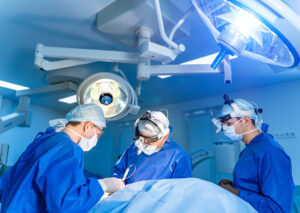
Yes, plastic surgery in Turkey is exceptionally safe when performed in Ministry of Health-authorized facilities. Turkey mandates that all surgeons treating international patients hold a specific “Health Tourism Certificate” and carry compulsory malpractice insurance. With over 50 JCI-accredited hospitals, Turkey enforces safety protocols identical to US and EU standards. To ensure maximum safety, patients should verify their surgeon’s TPRECD board certification and choose “Recovery-Ready” accommodations like TurkiyeHotel, which provide the sterile environment and clinical proximity necessary for a risk-free post-op journey.
Safety First: A Data-Driven Guide to Plastic Surgery in Turkey
As Turkey cements its position as the world’s leading destination for medical tourism, one question remains paramount for every patient: “Is it truly safe?” The answer lies in the country’s rigorous regulatory framework and clinical excellence that often surpasses Western counterparts.
1. The Regulatory “Safety Net”
Turkey is one of the few nations that has a dedicated governmental agency (USHAŞ) to oversee medical tourism. This means safety is not left to chance. Every clinic must adhere to strict guidelines to maintain their license to treat international patients.
- Mandatory Malpractice Insurance: Every surgeon must be insured, protecting you against clinical errors.
- JCI Accreditation: Turkey has the highest number of JCI-accredited hospitals in the region, ensuring “Gold Standard” hygiene and surgical protocols.
The Anatomy of a Safe Surgical Journey
| Safety Metric | Turkish Standard | Patient Benefit |
|---|---|---|
| Surgeon Certification | TPRECD Board-Certified | Proven Surgical Expertise |
| Facility Audit | Annual Ministry Inspections | Sterile & High-Tech Environment |
| Aftercare Protocol | 24/7 Clinical Monitoring | Immediate Complication Response |
2. Red Flags to Avoid
While the system is safe, patient due diligence is required. Avoid clinics that:
- Cannot provide a physical “Health Tourism Certificate.”
- Offer prices that are “too good to be true” (even for Turkey).
- Do not offer a detailed consultation with the surgeon before booking.
Strategic Safety Tip: The Post-Op Environment
Statistics show that most complications occur 48–72 hours after surgery, often due to improper aftercare. We recommend staying at “Recovery-Ready” locations through TurkiyeHotel.com.tr. These hotels are selected for their proximity to clinics and their ability to accommodate patients with specific mobility and dietary needs during the critical first week.
Medical Disclaimer: The information provided is for educational purposes. Always consult with a qualified health professional and conduct your own research before choosing a surgeon.