DHI vs. Sapphire FUE: Which Method is Best for You? (2026 Guide)
If you are researching hair transplants in Turkey for 2026, you have likely drowned in an alphabet soup of acronyms: FUE, DHI, Sapphire, FUT.
Here is the truth that most clinics won't tell you: There is no "best" method. There is only the method that is "best for YOU." A technique that works miracles for a patient with a receding hairline might be a disaster for someone needing 5,000 grafts.
At TurkeyWellness, we believe in engineering the right solution for your unique biology. In this comprehensive guide, we will strip away the marketing hype and compare the medical realities of Turkey's top three techniques.
1. The Contenders: Definitions
Classic FUE (Follicular Unit Extraction)
Think of this as the grandfather of modern hair transplants. Grafts are harvested one by one and placed into channels opened with steel blades. While effective, the steel blades can cause more tissue trauma than modern alternatives. Note: In 2026, reputable clinics in Turkey rarely use "Steel Blade FUE" anymore, having upgraded to Sapphire.
Sapphire FUE (The Gold Standard)
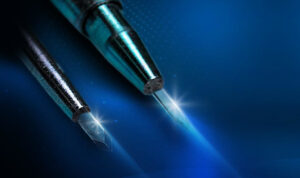
This is the evolution of FUE. Instead of steel, surgeons use blades made from real sapphire gemstones.
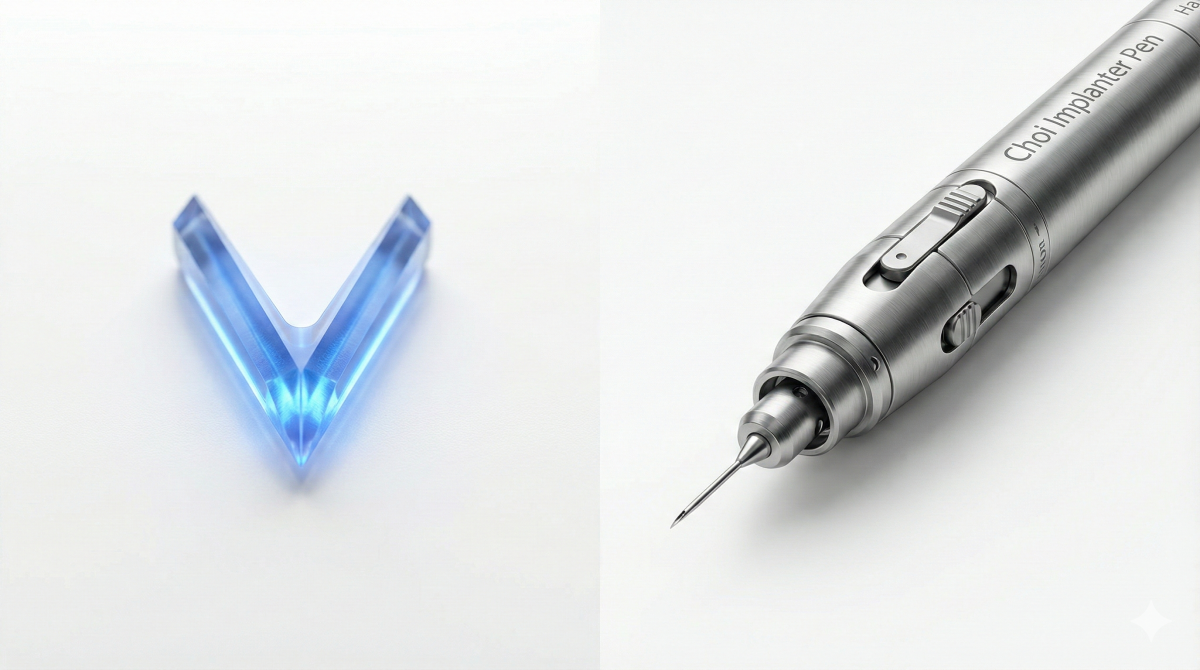
- Precision: Sapphire blades are V-shaped and incredibly sharp.
- Healing: They create smaller "micro-channels," which means less bleeding, less scabbing, and faster recovery.
- Density: Allows surgeons to pack grafts closer together for a fuller look.
DHI (Direct Hair Implantation)
DHI uses a tool called the Choi Implanter Pen. It looks like a mechanical pencil. The graft is loaded into the pen and injected directly into the scalp.
- No Channels: The surgeon does not need to cut holes beforehand; the pen does it simultaneously.
- Control: Offers total control over the angle and direction of hair growth.
Side-by-Side Comparison: DHI vs. Sapphire
Use this table to make an informed decision for your 2026 journey.
| Feature | Sapphire FUE | DHI (Choi Pen) |
|---|---|---|
| Ideal Candidate | Large bald areas (3000+ grafts) | Density increasing, hairline redesign |
| Shaving? | Full shave usually required | Unshaven options available |
| Operation Time | 6-8 Hours (Faster) | 8-10 Hours (Slower, meticulous) |
| Cost (2026 Avg) | $2,500 - $3,500 | $3,000 - $4,500 (More expensive) |
| Max Grafts | Up to 5,500 in one session | Max 3,500 in one session |
Deep Dive: Which One Should You Choose?
Choose Sapphire FUE If...
You have extensive hair loss (Norwood Scale 4-6). Sapphire is excellent for covering large open spaces efficiently. It allows surgeons to plant a high number of grafts in a single session without keeping the follicles outside the body for too long. If you want maximum coverage for the best price, this is your 2026 winner.
Choose DHI If...
You are under 40 and just want to fix a receding hairline or add density to thinning hair without shaving your whole head. DHI is also the preferred method for women's hair transplants because it can be done between existing hairs without damaging them. It is more artistry, less surgery.
Recovery: What to Expect in 2026
Technology has advanced rapidly. In 2026, the "downtime" for hair transplants is minimal compared to a decade ago.
- Sapphire Recovery: Scabbing lasts about 7-10 days. The redness (erythema) might persist for 2-3 weeks because more skin surface area is treated.
- DHI Recovery: Because there are no pre-opened channels, bleeding is minimal. Crusting often clears up by day 5-7. You can return to work faster, sometimes within 3 days.
Frequently Asked Questions (FAQ)
Can I combine both methods?
Yes! This is called a "Hybrid Hair Transplant." In 2026, many top surgeons use Sapphire FUE for the large bald crown area and DHI for the delicate hairline to get the best of both worlds.
Is DHI more painful than FUE?
No. Both procedures are performed under local anesthesia. You will not feel pain during the operation. However, DHI might take longer, which means you will be sitting in the chair for an extra 2 hours.
Why is DHI more expensive?
DHI requires "Choi Pens" which are single-use medical devices. It also requires a larger team (usually 2 nurses loading pens constantly for the surgeon). The labor intensity drives up the cost.
Does the success rate differ?
Statistically, both methods have a retention rate of over 95% when performed by experts. The success depends more on the surgeon's skill than the tool used.
Still Undecided? Let Science Decide.
Send us your photos. Our Medical Director will analyze your hair density and recommend whether DHI or Sapphire is better for YOUR specific case.
Get My Free Medical Analysis →